Spark NGO: Afghan Refugee Livelihood & Integration Study
2024
Abstract
I served as the lead research consultant for a Dutch NGO project focused on Afghan refugees in Iran, directing a multi-site, mixed-methods study on access to essential services. Managing a team of five local researchers, I oversaw fieldwork across several Iranian cities to investigate how Afghan refugee families navigated education, healthcare, and employment. We designed a large-scale survey (garnering over 10,000 responses) to capture quantitative trends. We complemented it with dozens of in-depth interviews, focus group discussions, and participatory workshops within refugee communities. This combination allowed us to validate statistical patterns with real human stories – for instance, quantifying the percentage of refugees facing school enrollment barriers, while also hearing first-hand accounts of the bureaucratic hurdles or discrimination behind those numbers.
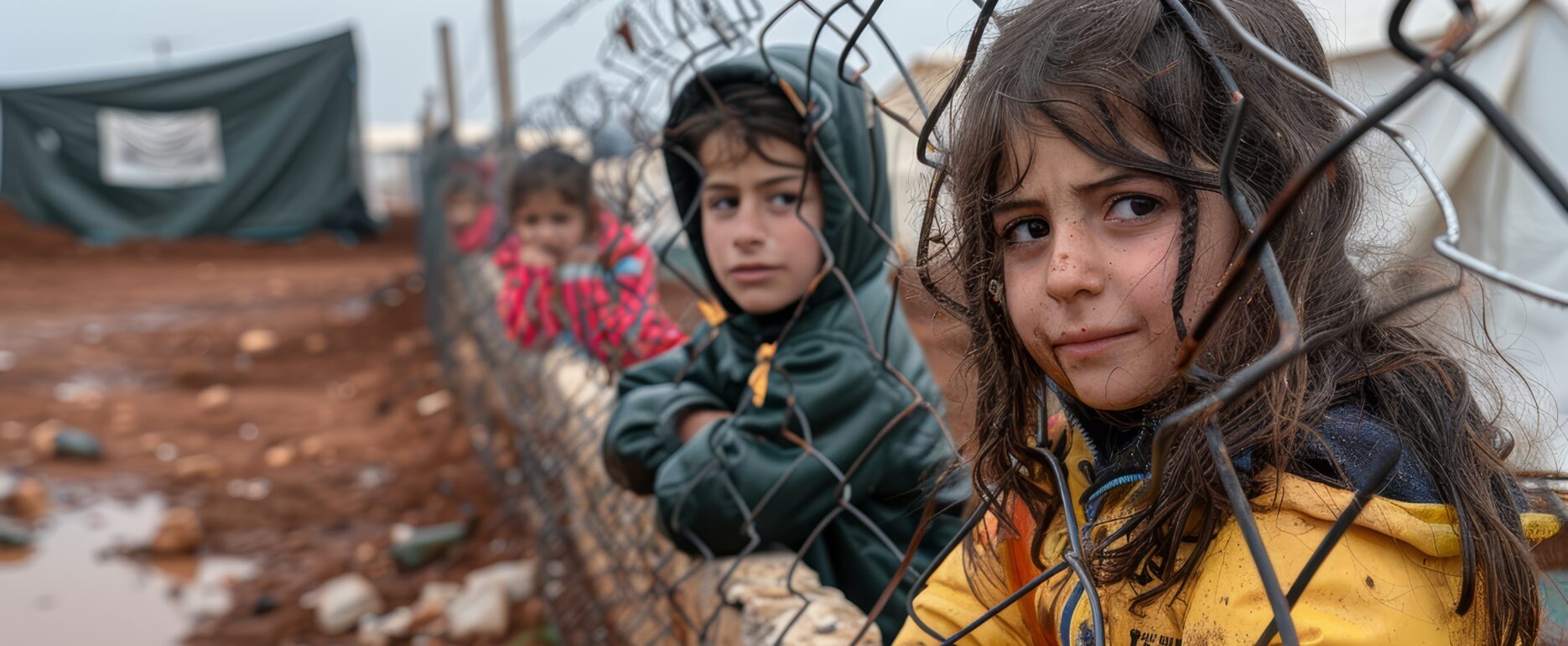
The Challenge
After analysing the data (using tools such as SPSS and R for the survey, alongside thematic coding for qualitative notes), we synthesised the findings into concrete policy recommendations. We presented these to municipal authorities, humanitarian agencies, and community leaders in Iran. Several recommendations were incorporated into local housing and integration strategies – for example, plans were adjusted to provide more community-based education centres and to train healthcare workers in culturally responsive care for Afghan patients. Our research also informed Spark’s own program expansion, providing evidence to inform decisions on where to open new training courses and how to partner with local clinics and schools. Throughout the project, I ensured that our methods were inclusive and ethical. We practised trauma-informed interviewing, hired and trained refugee community members as research assistants, and held validation sessions to verify that our interpretations aligned with the community’s experiences.
Conclusion
This project was a strong demonstration of my ability to deliver rigorous, impactful research in a challenging context. It not only generated valuable data (one of the most extensive surveys of Afghan refugees in Iran to date) but also directly led to improvements on the ground. Equally important, it modelled an inclusive research approach, showing that involving the very communities affected in the research process leads to more trusted and actionable outcomes.
Explore More Work

Nym: Multi-Country UX Research for Censorship-Resilient Privacy Tools
Nym: Multi-Country UX Research for Censorship-Resilient Privacy Tools
University of Cambridge: Teaching, Methods Training & Supervision
University of Cambridge: Teaching, Methods Training & Supervision
Nym: Global Misinformation & Disinformation Policy Research