Environmental Governance & Political Economy (EGAPE) Lab: Decentralised Services Research
2024
Abstract
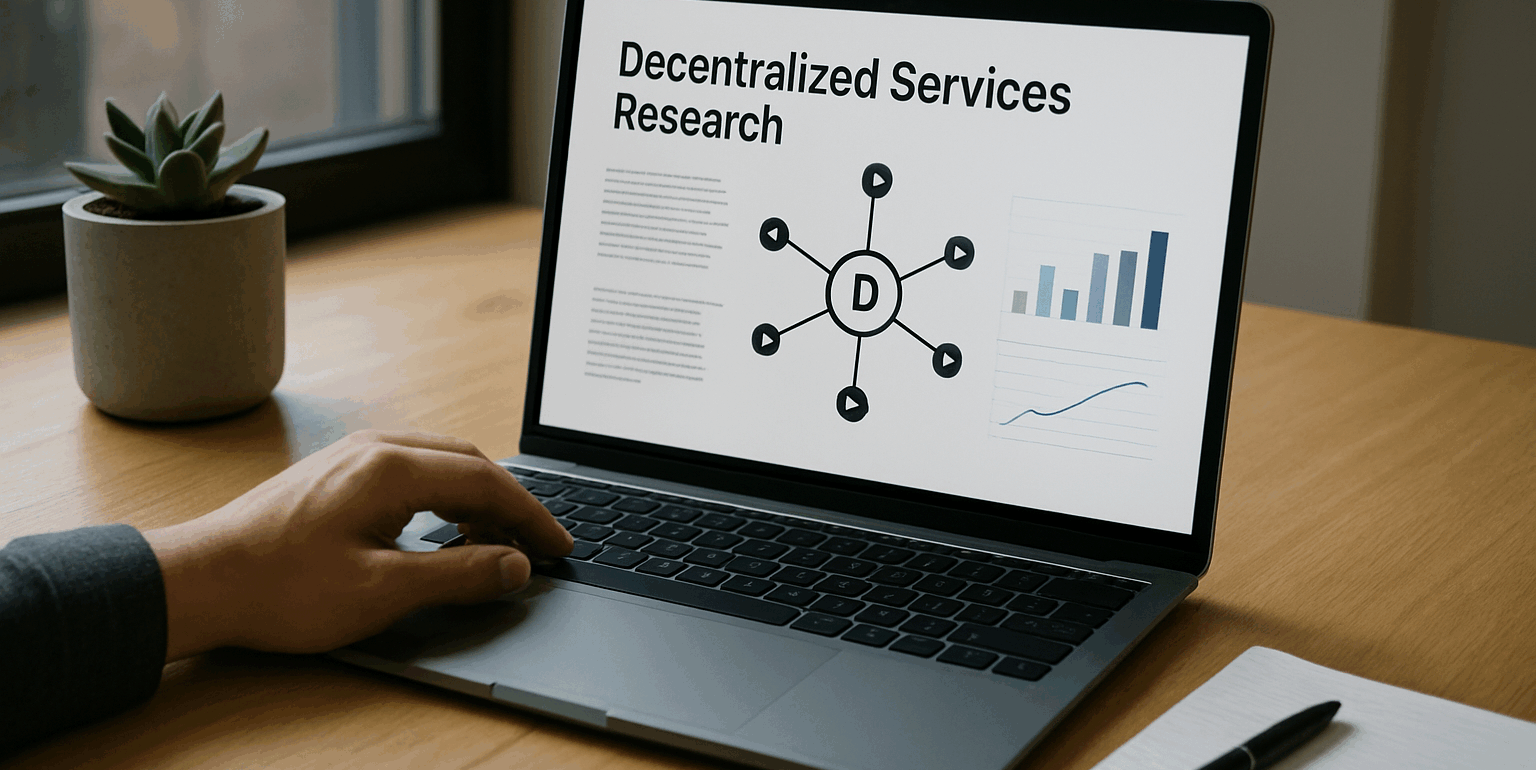
As a Research Fellow at the Environmental Governance and Political Economy Lab, I examined how decentralising governance and infrastructure can enhance (or sometimes hinder) public service delivery. My work at EGAPE combined stakeholder interviews, systems mapping, and scenario modelling to examine questions like: How do local institutions manage resources when given more autonomy? And Can digital infrastructure or community-led models make energy and water services more equitable? One key project involved developing market entry and investment frameworks for decentralised renewable energy systems. I analysed how off-grid or community-owned power initiatives fared under different regulatory scenarios, modelling supply–demand dynamics and financial viability under various policy environments.
The Challenge
Using quantitative and spatial data, I built scenario forecasts to simulate outcomes of different infrastructure strategies. For example, I created models to compare the impact on energy access and affordability if investment were to flow to small-scale solar grids versus centralised power plants. These models incorporated regulatory, fiscal, and environmental variables to help anticipate risks and identify which approaches could most benefit underserved communities. The forecasting work was complemented by qualitative research – including interviews and workshops with local officials, energy cooperatives, and residents, to ground the numbers in real-life experiences. This mixed-methods approach aligns with my approach to product research, which combines data analytics with human perspectives to gain a comprehensive view.
Conclusion
Our findings at EGAPE fed into policy briefs and strategic guidance for government and nonprofit partners. We highlighted that without true local decision-making power, nominal “decentralisation” can end up recentralizing control in new ways; for instance, if technical expertise or funding remains concentrated at the centre. I co-authored frameworks that suggest how to delegate authority and resources more effectively to the local level, leveraging open data and inclusive governance tools. This experience not only deepened my expertise in energy and climate policy but also provided transferable skills in systems thinking and service design. Today, when I map out user journeys or organisational processes in a tech setting, I draw on the same systems mapping mindset developed at EGAPE to ensure we account for every stakeholder and feedback loop.
Explore More Work

ARD & RTL (German Broadcasting): Rapid Research for 2022 Iran Uprising Coverage
ARD & RTL (German Broadcasting): Rapid Research for 2022 Iran Uprising Coverage

Nym: Multi-Country UX Research for Censorship-Resilient Privacy Tools
Nym: Multi-Country UX Research for Censorship-Resilient Privacy Tools

University of Cambridge: Teaching, Methods Training & Supervision